


A guide to HMRC Mileage Allowance Relief for self-employed individuals in self-assessment returns
As a self-employed individual in the UK, you might find yourself frequently using your personal vehicle for business-related travel. Whether you're meeting clients, attending supplier visits, or embarking on job-related journeys, these business miles can add up, and so can the expenses. Luckily, there's a valuable tax relief called Mileage Allowance Relief (MAR) that can help you offset some of these costs. In this guide, we'll walk you through the rules and methods for claiming Mileage Allowance Relief as a self-employed professional in your Self-Assessment Returns. Please bear in mind that tax regulations can change, so it's essential to verify the latest guidelines with HM Revenue & Customs (HMRC) or a qualified tax advisor.
What is Mileage Allowance Relief (MAR)?
Mileage Allowance Relief is a tax deduction provided by the UK government to employees who use their personal vehicles for business-related travel. It is designed to compensate employees for the costs associated with using their cars, vans, motorcycles, or bicycles for work-related journeys.
Methods to claim mileage expenses:
-
Using Simplified Expenses
This method is designed to make claiming mileage expenses more straightforward for self-employed individuals. It allows you to claim a fixed mileage rate per business mile traveled. -
Using Actual Costs
Alternatively, self-employed individuals can choose to claim actual costs incurred during business travel. This method requires meticulous record-keeping, where you maintain detailed records of all vehicle-related expenses, such as fuel, insurance, repairs, and maintenance. By doing so, you can calculate the proportion of business use based on the total mileage driven during the tax year accurately.
For more information for the approved mileage rates, you can read our guide page:
Keeping accurate records
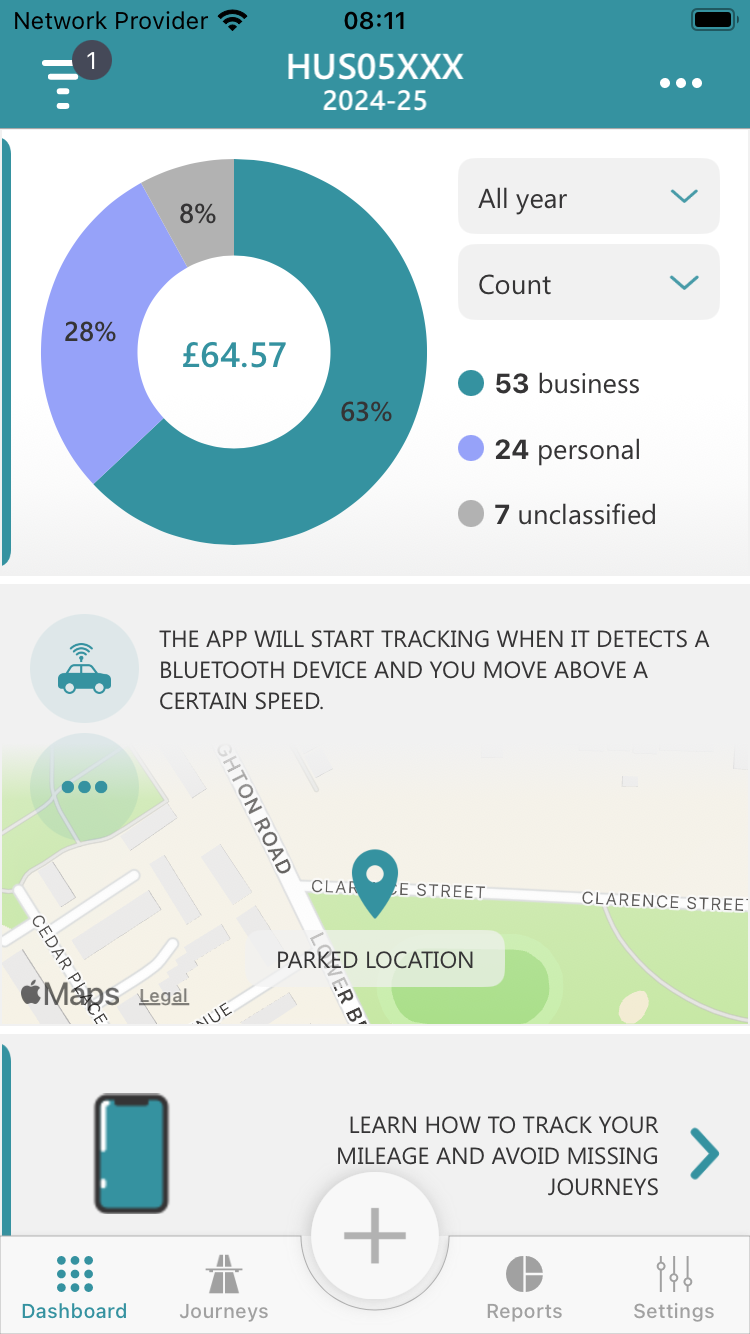
To claim Mileage Allowance Relief, it's essential to maintain accurate records of your business mileage. This should include:
- The date of each business journey.
- The purpose of the journey (e.g., client meeting, delivery, etc.).
- The starting and ending locations of each journey.
- The total number of business miles traveled.
Claiming MAR
When it's time to file your Self-Assessment tax return, you can claim Mileage Allowance Relief for your business mileage. If you're using the Simplified Expenses method, you can apply the fixed mileage rates directly to the eligible business miles traveled.
Simplified Expenses is a suitable option for self-employed individuals operating as sole traders or in business partnerships without a limited company. It provides a straightforward way to claim mileage expenses. However, it's important to note that if you have previously claimed capital allowance for the specific car, you won't be eligible to use Simplified Expenses for your mileage claims.
If you opt for the Actual Costs method, you will need to calculate the total expenses incurred during your business journeys, based on the proportion of business use. Make sure to retain all relevant receipts and records as evidence of your expenses.
Conclusion
Mileage Allowance Relief is a valuable tax deduction for self-employed individuals in the UK. By choosing the most suitable method for claiming mileage expenses and keeping detailed records of your business mileage, you can maximize your tax savings and reduce your taxable income. Remember to stay up-to-date with the latest tax rules and regulations to ensure accurate and compliant claims.
Disclaimer: The information provided in this article is based on the regulations as of the date of writing. Tax laws and rates may change over time, so always verify the current rules with HM Revenue & Customs or a qualified tax advisor before making any tax-related decisions.