


A guide to HMRC Mileage Allowance Relief for employees in self-assessment returns
As a hardworking employee in the UK, you may often find yourself using your personal vehicle for business purposes. Whether it's attending client meetings, making deliveries, or visiting different work locations, these business miles can add up, and so can the expenses. Fortunately, there's a tax relief called Mileage Allowance Relief (MAR) that can help you offset some of these costs. In this article, we'll explore what MAR is, who can claim it, and how to make the most of this tax deduction.
What is Mileage Allowance Relief (MAR)?
Mileage Allowance Relief is a tax deduction provided by the UK government to employees who use their personal vehicles for business-related travel. It is designed to compensate employees for the costs associated with using their cars, vans, motorcycles, or bicycles for work-related journeys.
Eligibility for MAR
To be eligible for Mileage Allowance Relief, you must meet certain criteria:
- You must be an employee paying taxes through the Pay As You Earn (PAYE) system.
- You must use your personal vehicle for business-related travel.
- You should not receive full reimbursement for the business mileage from your employer. If you are fully reimbursed, you cannot claim MAR.
Calculating MAR
Mileage Allowance Relief applies to journeys made for business purposes, which typically include:
-
Traveling to and from different work sites or client locations.
-
Visiting customers or suppliers.
-
Attending meetings, conferences, or training sessions outside your usual workplace.
-
Delivering goods as part of your job.
-
Other work-related travel that's not your regular commute from home to your permanent workplace.
Employees eligible for Mileage Allowance Relief in the UK can claim tax deductions for their business mileage using two methods.
The UK government sets approved mileage rates, which indicate the maximum tax-free amounts you can claim per mile for business travel. As of the writing of this article, the approved mileage rates stand at 45p per mile for the first 10,000 business miles in a tax year, and 25p per mile for any additional miles.
For more information for the approved mileage rates, you can read our guide page:
If the approved mileage rates do not fully cover your business expenses or if you have traveled more than 10,000 business miles in a tax year, you have the option to calculate the actual costs incurred during your business journeys. These actual costs can include expenses such as fuel, insurance, repairs, and other relevant expenditures related to the use of your personal vehicle for work-related purposes.
Keeping accurate records
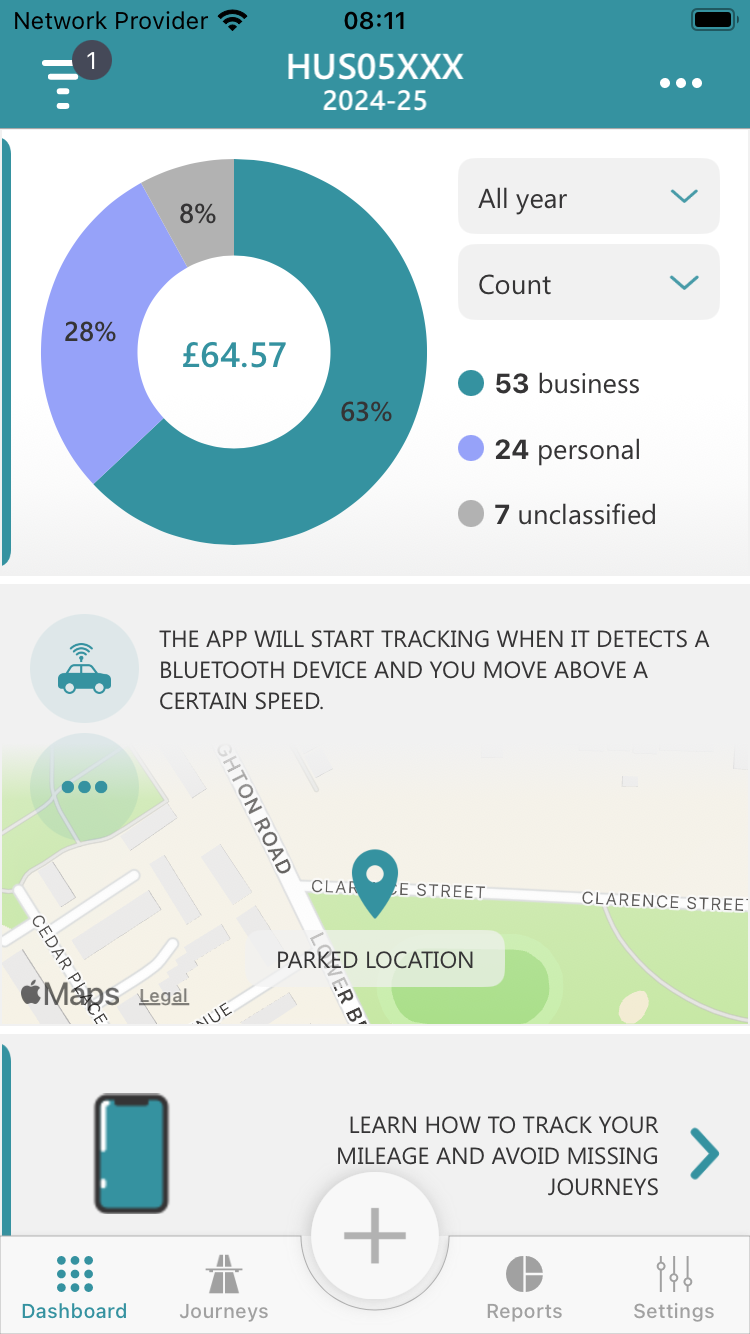
To claim Mileage Allowance Relief, it's essential to maintain accurate records of your business mileage. This should include:
- The date of each business journey.
- The purpose of the journey (e.g., client meeting, delivery, etc.).
- The starting and ending locations of the trip.
- The total number of business miles traveled.
Claiming MAR
You can claim Mileage Allowance Relief when filing your annual self-assessment tax return. If you're using the approved mileage rates, you do not need to submit any additional evidence. However, if you're claiming actual costs, you must retain receipts and other relevant documents as proof.
To maximize the benefits of Mileage Allowance Relief, there are several key strategies to follow. Firstly, it is essential to maintain meticulous records of all business mileage, regardless of how short the journey may be. These detailed records will serve as vital evidence when claiming the relief during tax filings. Secondly, consider exploring eco-friendly alternatives such as carpooling or using public transport for eligible business trips, as these environmentally conscious choices can also qualify for Mileage Allowance Relief. Lastly, if your employer offers a mileage allowance that falls below the approved rates set by the UK government, you have the right to claim the difference through MAR. By implementing these tips, you can ensure you make the most of this valuable tax deduction, optimizing your savings and minimizing your tax burden.
Conclusion
Mileage Allowance Relief is a valuable tax deduction for UK employees who use their personal vehicles for business purposes. By keeping accurate records and understanding the approved mileage rates, you can ensure that you're properly compensated for your business miles and reduce your taxable income. Remember to consult with a tax professional for personalized advice on claiming MAR and optimizing your tax deductions.
Disclaimer: The information provided in this article is based on the regulations as of the date of writing. Tax laws and rates may change over time, so always verify the current rules with HM Revenue & Customs or a qualified tax advisor before making any tax-related decisions.